The colours of the stage
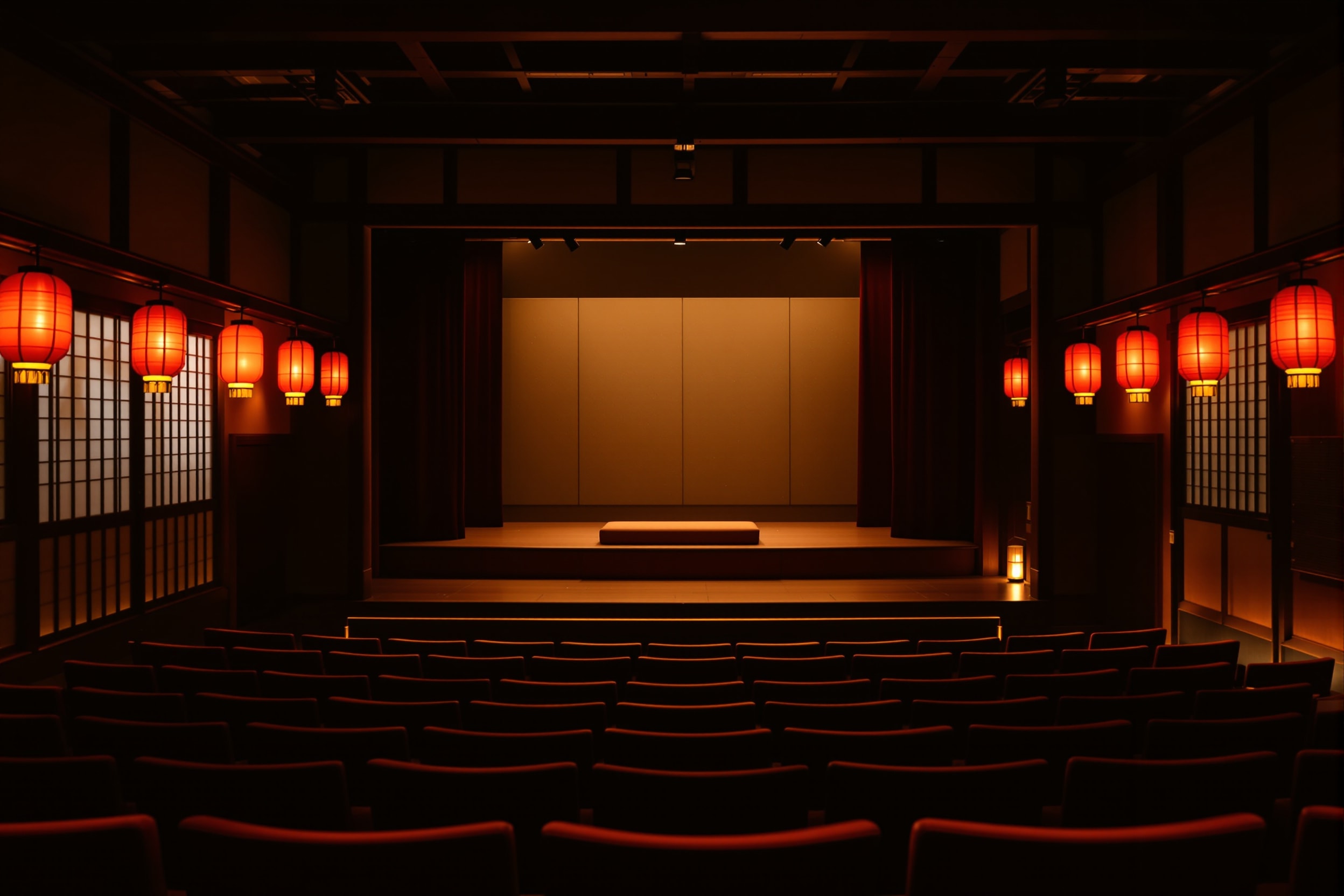
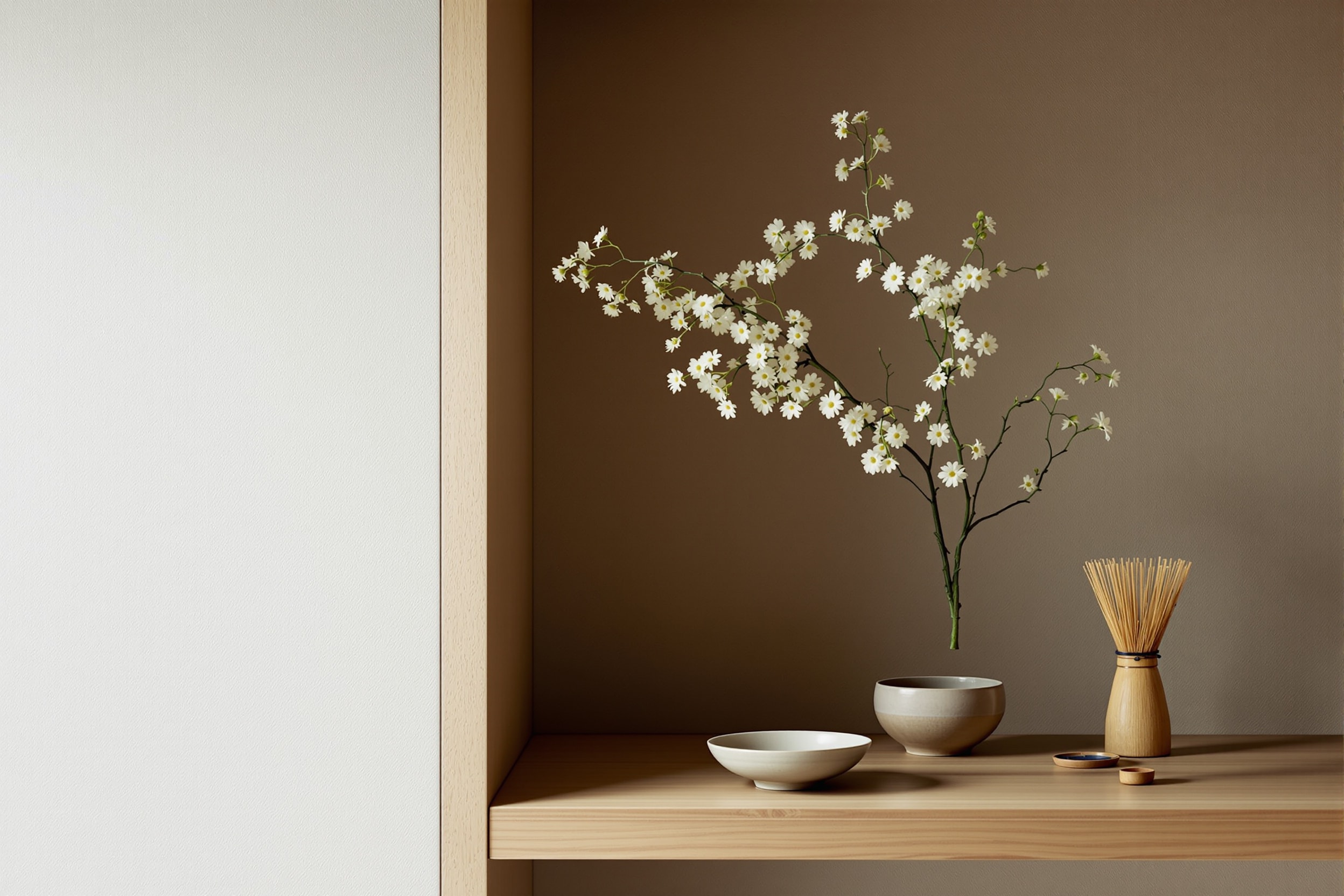
A rakugo stage is a study in restraint and warmth. The crimson of the zabuton cushion, the amber glow of a paper lantern, the honeyed grain of old wooden boards — this is a palette designed to focus attention on a single figure and the story unfolding from the cushion. There is nothing to distract the eye, and so the ear is free to do its work.
Textile and ornament
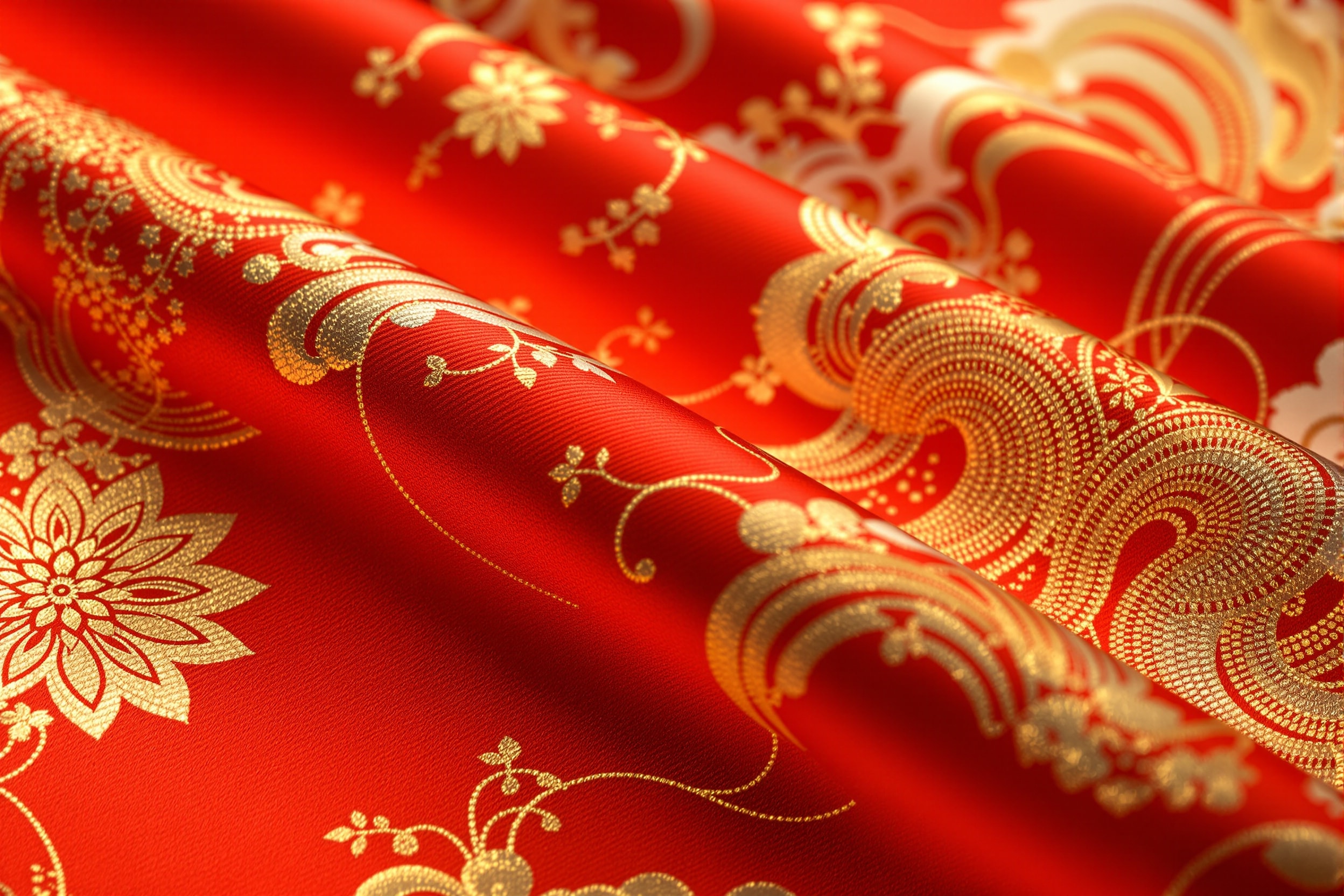
Beyond the stage, the visual richness of the tradition spills into kimono silks, festival decorations and the small ceremonial objects of everyday life. A single length of kimono fabric can carry woven chrysanthemums, cranes or waves — motifs charged with seasonal and symbolic meaning. To look closely at these textiles is to read a quiet language of colour and pattern that the stories themselves often assume their audience can speak.
The joy of balloon colour
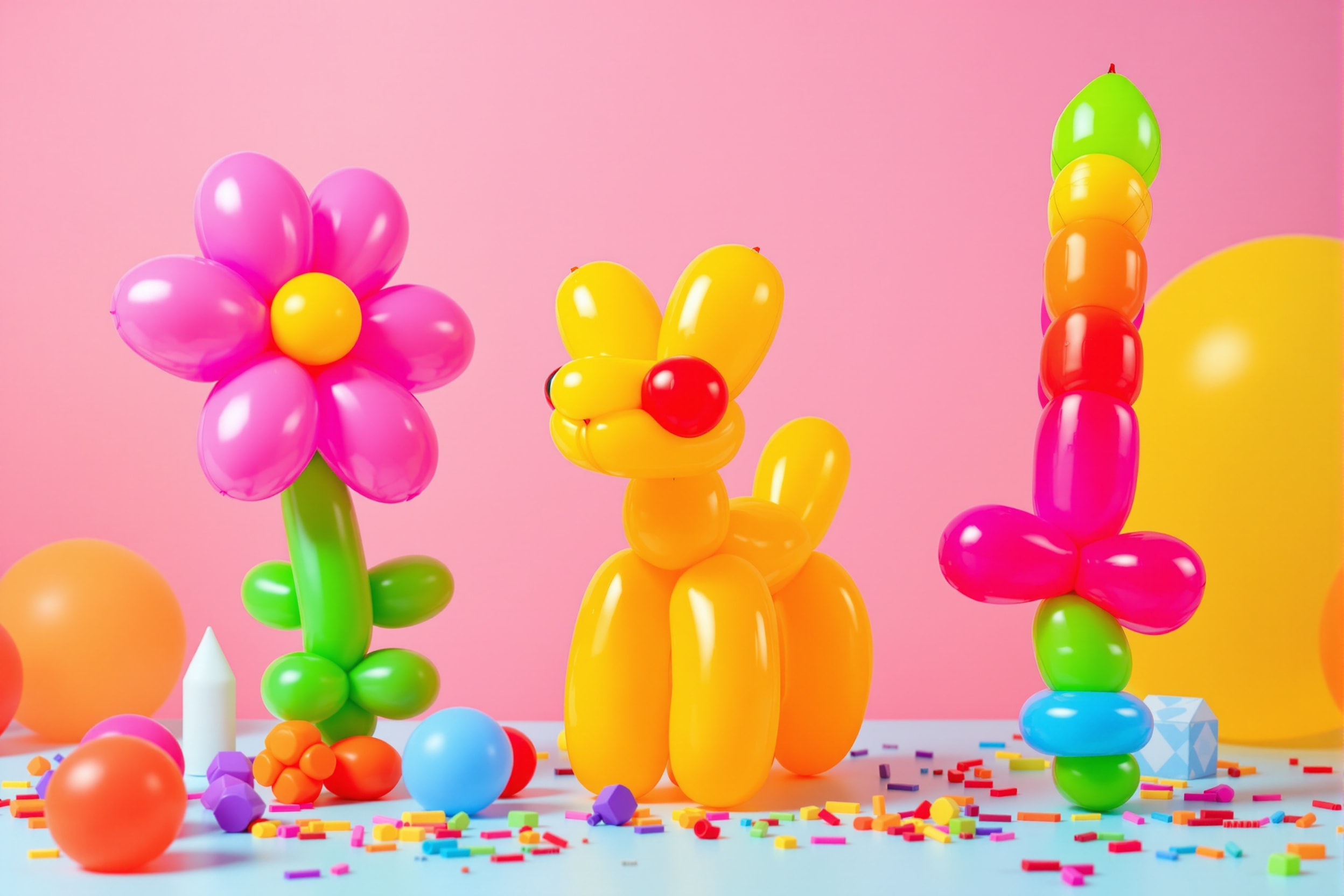
At the brighter, more boisterous end of family performance sit the balloons: primary reds, blues and yellows twisted into dogs, swords and flowers in a matter of seconds. Where the storyteller's palette whispers, the balloon artist's shouts — and the two make natural companions on a bill of family entertainment, each offering a different kind of delight.
Images and imagination
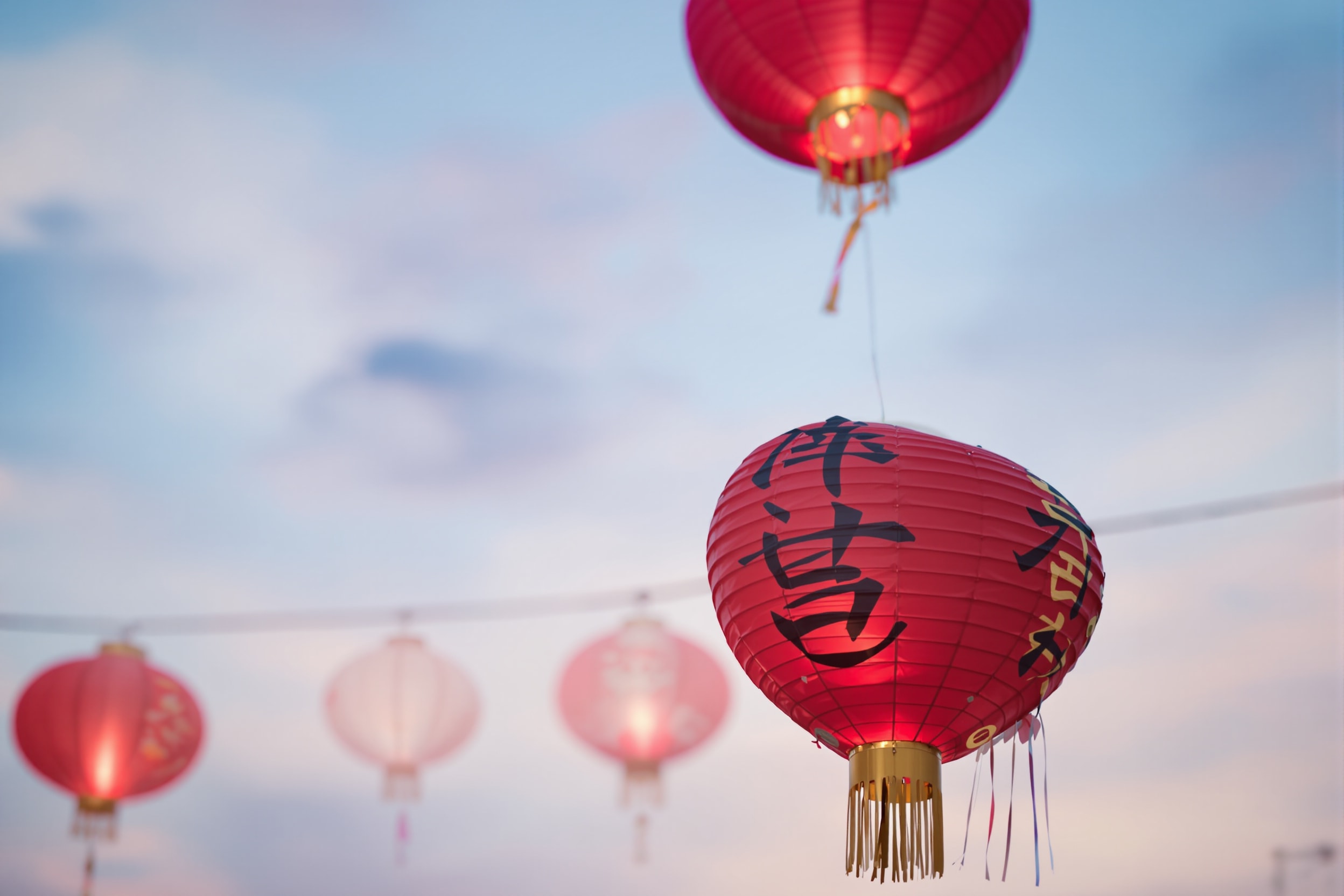
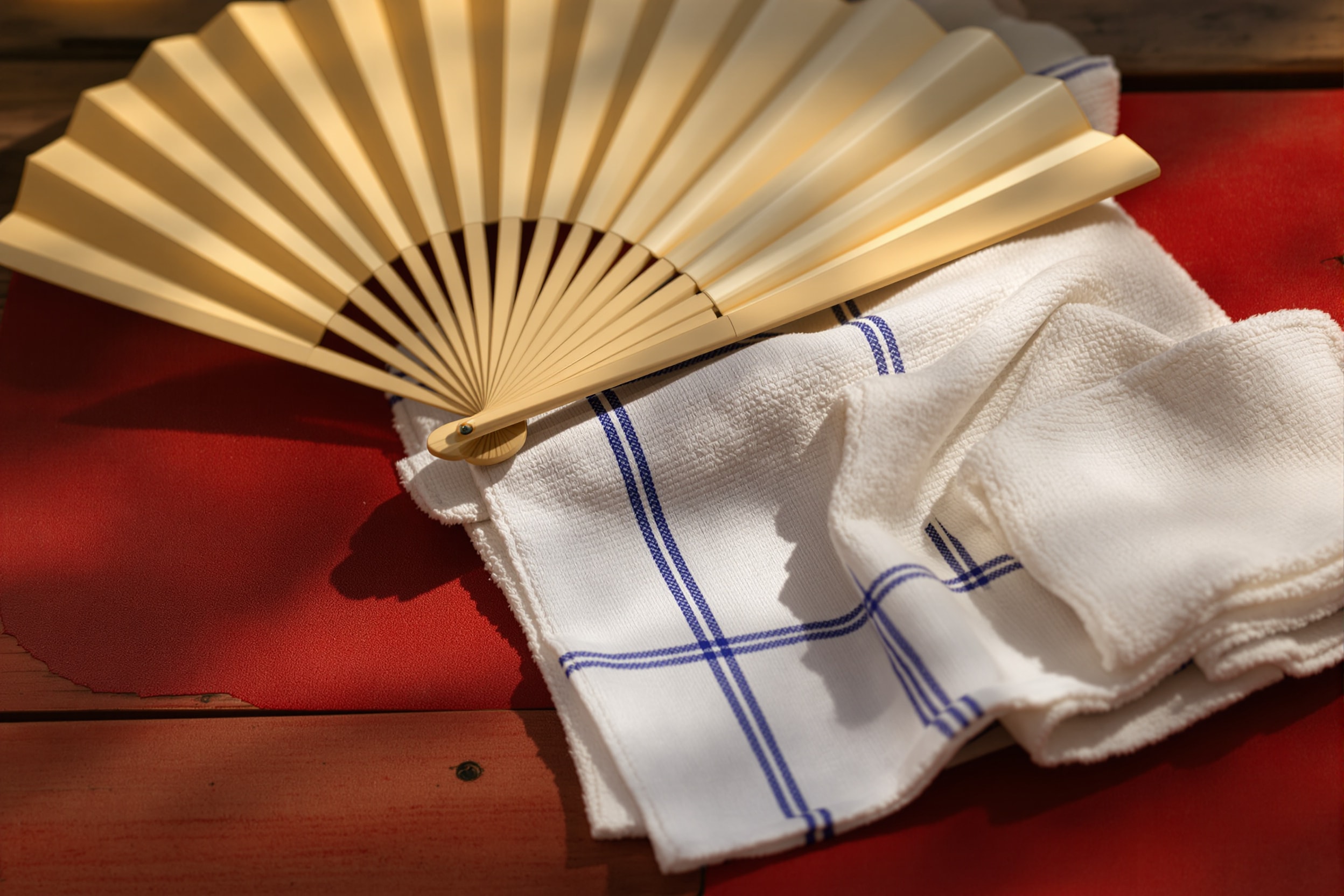
It is worth remembering that the truest images of rakugo can never be photographed at all. The bustling marketplace, the moonlit road, the crowded tenement — these live only in the minds of the audience, conjured by a single voice and a folding fan. The pictures gathered here evoke the physical world around the art: the stage, the silk, the lanterns and the props. The rest, as always in rakugo, is left to your imagination to complete.